
Resilience in a time of uncertainty
Dear Friends,
As the seasons shift here in Tanzania, we are reminded that change is constant — but so too is resilience. This has been a year of challenge, with funding cuts across the non-profit sector, but it has also been a year that has reminded us why the Dorobo Fund exists. Now more than ever, the fund is vital in sustaining the initiatives that protect our culturally rich and diverse landscapes — places that carry meaning not only for the people and wildlife who live there, but also for all of us, wherever we are.
As we mark 25 years of this journey, our commitment remains the same: to ensure the fund reaches the places where it is needed most. What follows is a glimpse into some of the impacts your support has helped make possible so far this year.
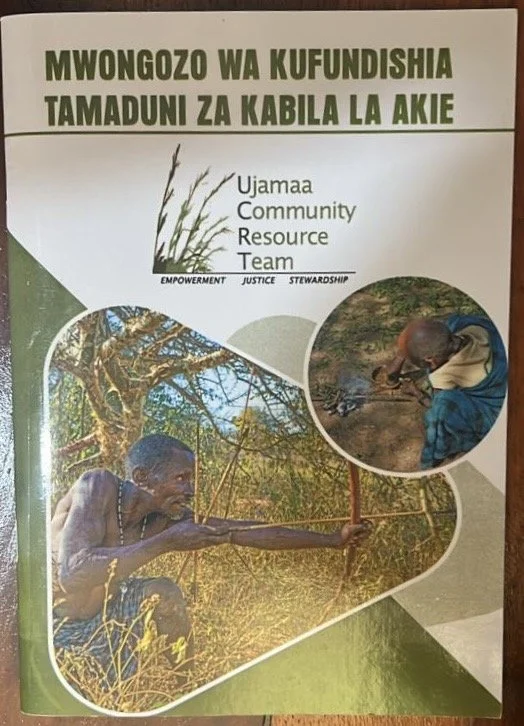
Akie language booklet aimed at teaching young Akie’s their cultural language
Keeping a Language — and a Culture — Alive
We are thrilled to share progress from the Akie Language Revitalisation Project, an initiative close to our hearts.
The Akie, one of Tanzania’s smallest Indigenous hunter-gatherer groups, hold a unique language and way of life deeply rooted in the land. Like many minority languages worldwide, Akie is endangered — and with it, a wealth of traditional knowledge, oral history, and identity is at risk.
Over the past year, with the dedication of Akie elders, youth, and educators, we worked together to document the language and cultural heritage in a beautifully illustrated Akie Language and Culture Booklet. More than just words on a page, this resource acts as a bridge between generations — helping children learn their ancestral language while inspiring pride in their heritage.
From storytelling sessions under acacia trees to school visits where children eagerly try out Akie phrases, the project is breathing life back into a language that carries the worldview of a people.
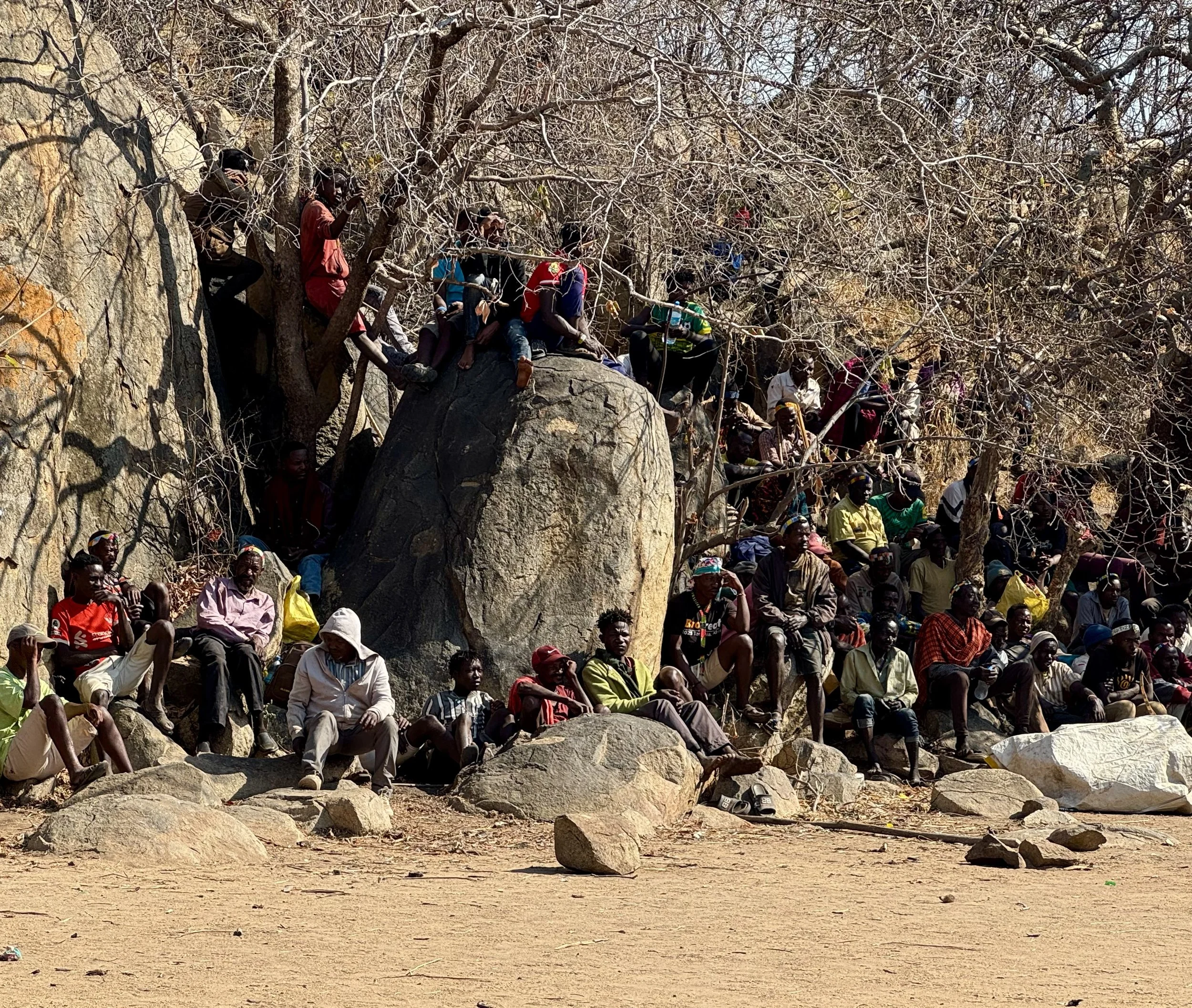
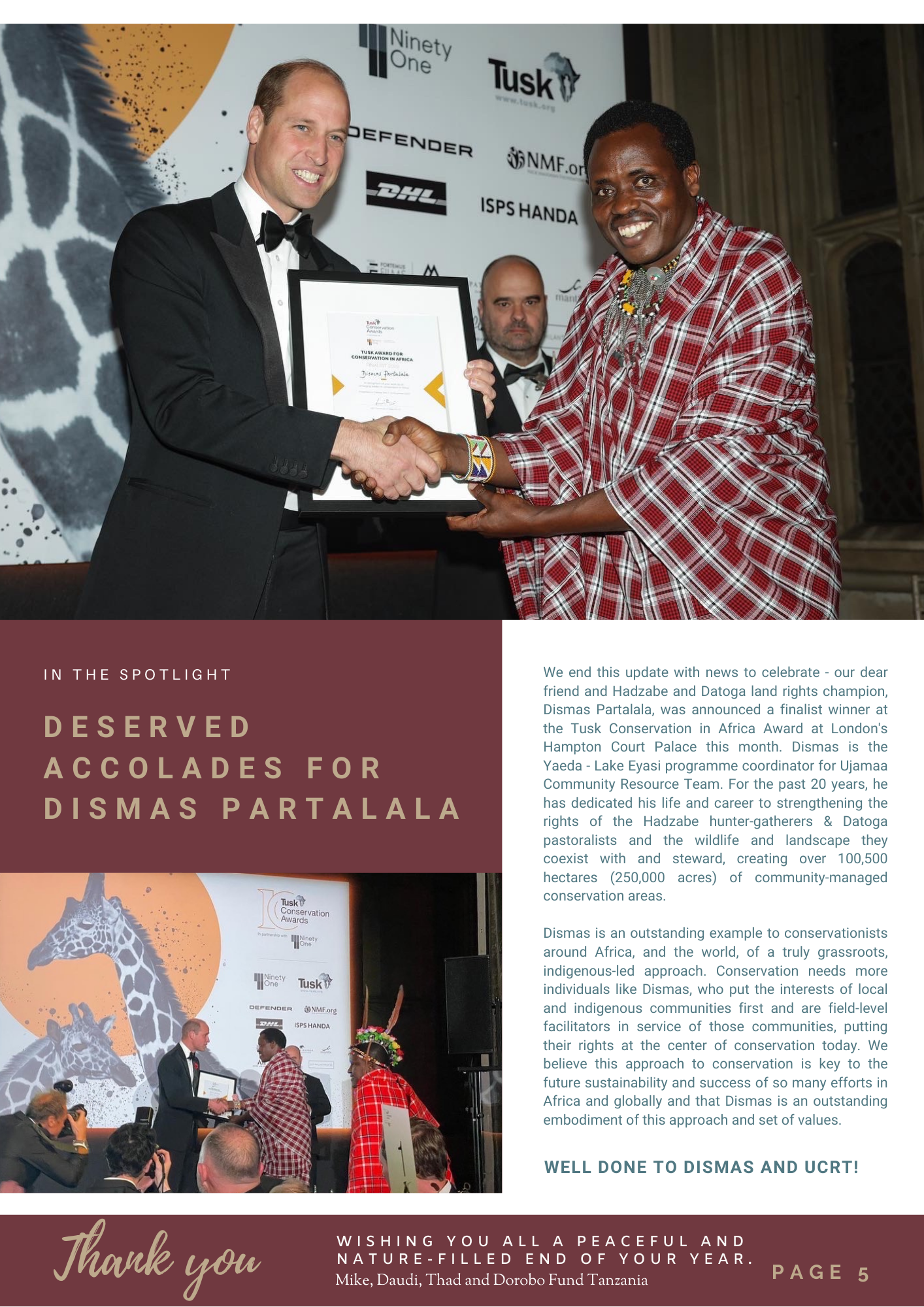
Hadza gather from around the area to discuss critical social and environmental challenges
The agenda:
1) Land rights – each group has had different successes and challenges;
2) Loss of language and culture – how important is it to maintain our identity and how can we ensure that happens?
3) Evaluating external players involved with the Hadza. Which organizations are genuinely helping and which are piggy backing on the Hadza name to raise funds for the benefit of their own organization?
4) Alcohol abuse – how can we mitigate the negative effects on individuals and the community?
5) Financial management and priority use of community funds;
6) What role should we expect and want Government to play?
7) Living scattered and remote, how can we enlist Government help to provide education and health care within reasonable distances from where we live? How can we access processing and receiving National Identity cards which will allow us among other things to legally register cell phones?
The discussion was lively and resolutions made many of which will be difficult to implement. However, recognizing the issues is a necessary step towards solutions. The regret of course is that such awareness and awakening did not happen 30 years ago – the result would have been easier solutions and a better world today for the Hadza. But then that’s part of the human condition – needing to lose or partly lose something as a precursor to valuing it and fighting for it.
The powwow was inspiring in its depth & empowering and one came away hopeful for a positive future for this special culture and people.
Invited and Participating Organizations: Carbon Tanzania; Afrisos; Andrew Harvey Professor of Linguistics – Rift Valley Network; Dorobo Fund; UCRT; Dorobo Safaris.
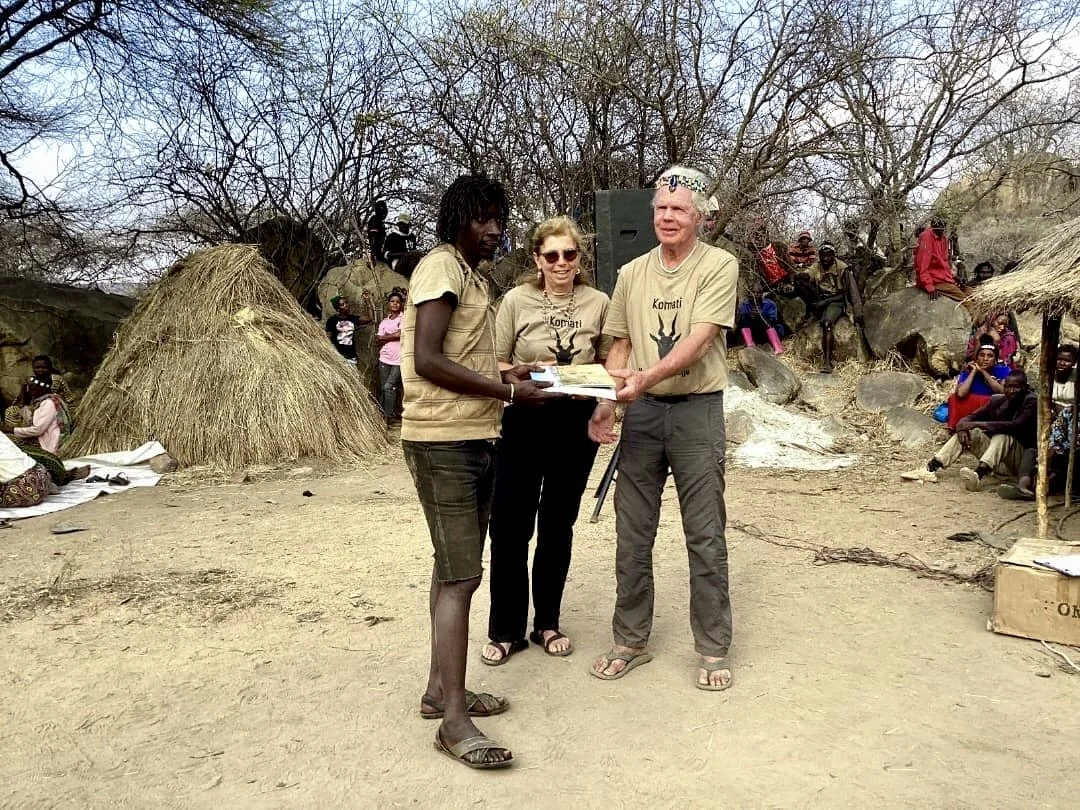
Daudi and Trude Peterson were privileged to join the Hadza Powow
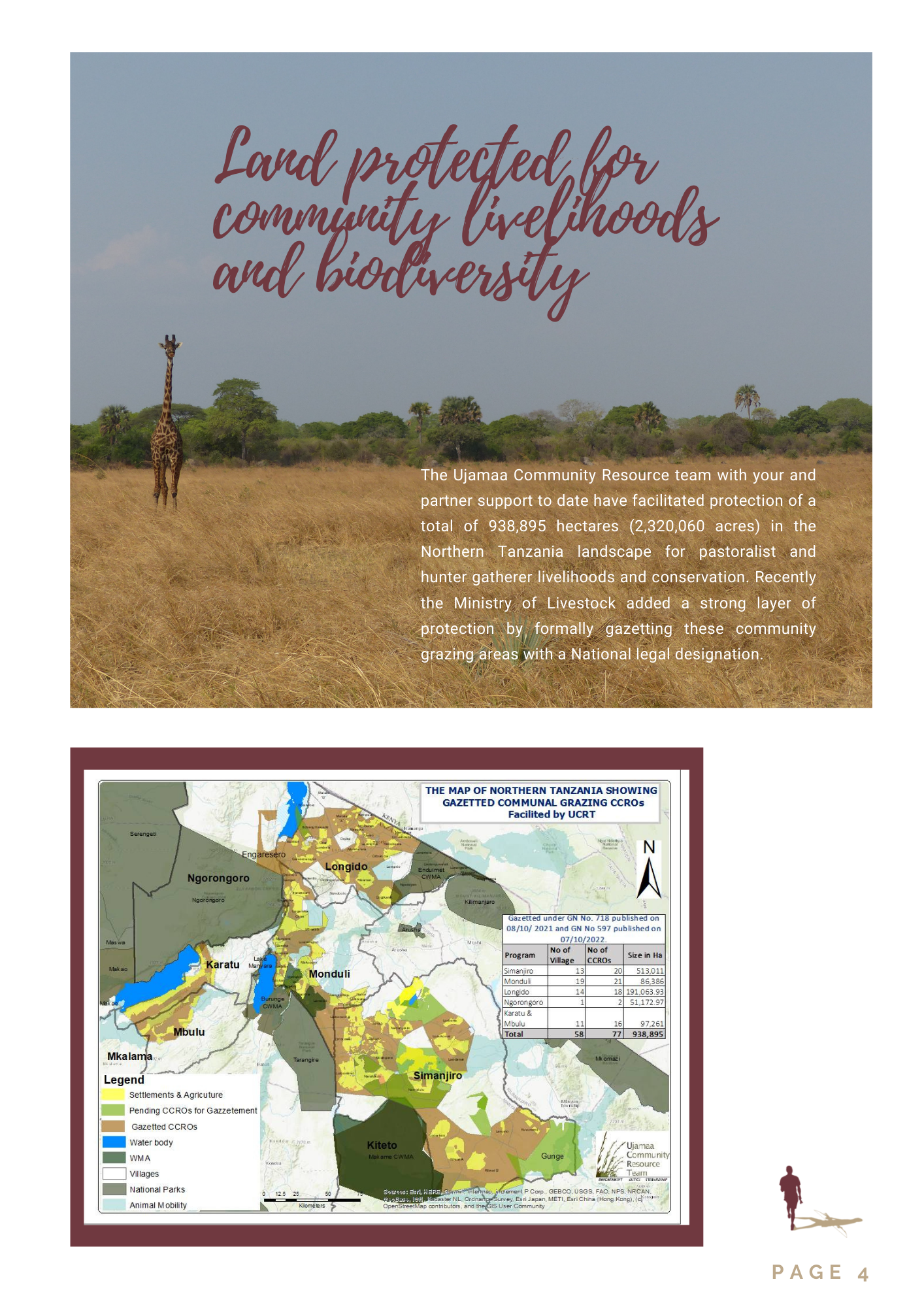
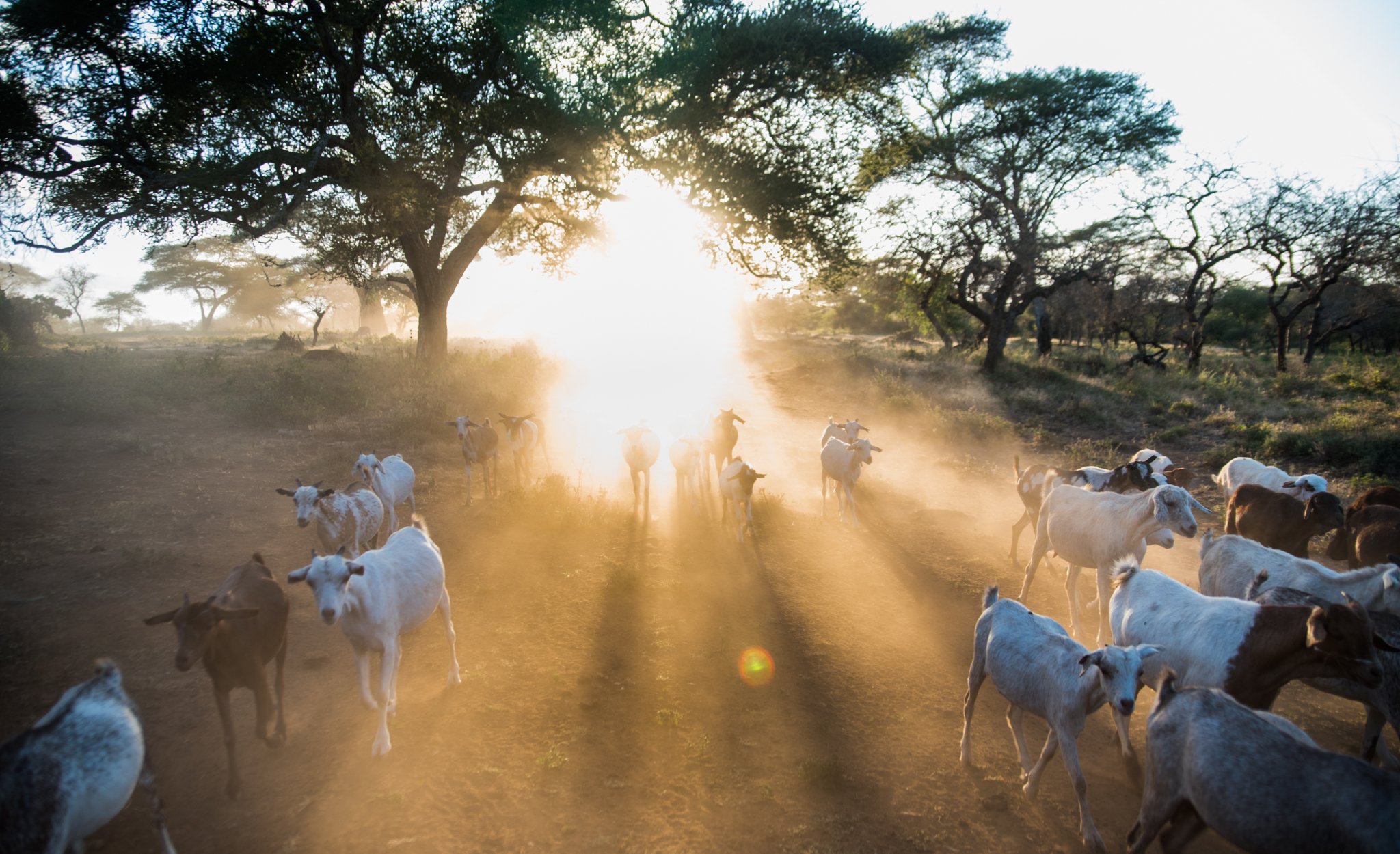
Protecting key Grazing areas: demarcation in Makame and Ndedo villages
For pastoralist families in Makame and Ndedo, the health of their calves is inseparable from the future of their herds, their livelihoods, and their culture. Calves are the most vulnerable animals in any herd, and without safe spaces to graze, they are easily outcompeted by stronger livestock and pushed onto already degraded land. Recognizing this, UCRT worked with communities to demarcate over 16,000 hectares of critical land as dedicated calf grazing areas. These now give young animals the chance to grow strong, reducing losses and securing the long-term sustainability of pastoral life. Beyond protecting herds, this step has eased tensions over land use, strengthened local governance, and laid the foundation for healthier rangeland.
Maziwe Marine Reserve — The Return of Turtles, Climate Change, and a Setback in Scale-up
Further afield, our work stretches to the coast at the Maziwe Marine Reserve, a place dear to our hearts. The Peterson family has been visiting the shores of Pangani for generations, and now, as we introduce grandchildren to the area, we are delighted to share its beauty and ecological significance with them.
For the first time in two years, we are pleased to report the return of green turtle nests to the island — thanks to the marine rangers who work tirelessly to protect them and ensure the eggs are safely relocated to the shores of nearby Ushongo.
Yet the reserve faces challenges. Like coral reefs worldwide, Maziwe suffers from bleaching caused by a changing climate. Still, it continues to serve as a critical habitat for over 400 marine species. With the revival of a local diving operator, a new wave of ethical tourism is also bringing revenue to the area.
This year, we had hoped to scale up our efforts through a USAID fund that would support an additional patrol boat and staff to help prevent illegal night fishing. Sadly, with funding cuts across Africa, these plans are on hold. In the meantime, the Dorobo Fund continues to ensure the protection of this unique area with the resources we have.
To raise awareness of marine conservation and highlight the tireless work of the rangers, we hosted a screening of David Attenborough’s Ocean in Arusha, followed by a short talk from Mike Peterson on the work the Dorobo Fund supports at Maziwe.
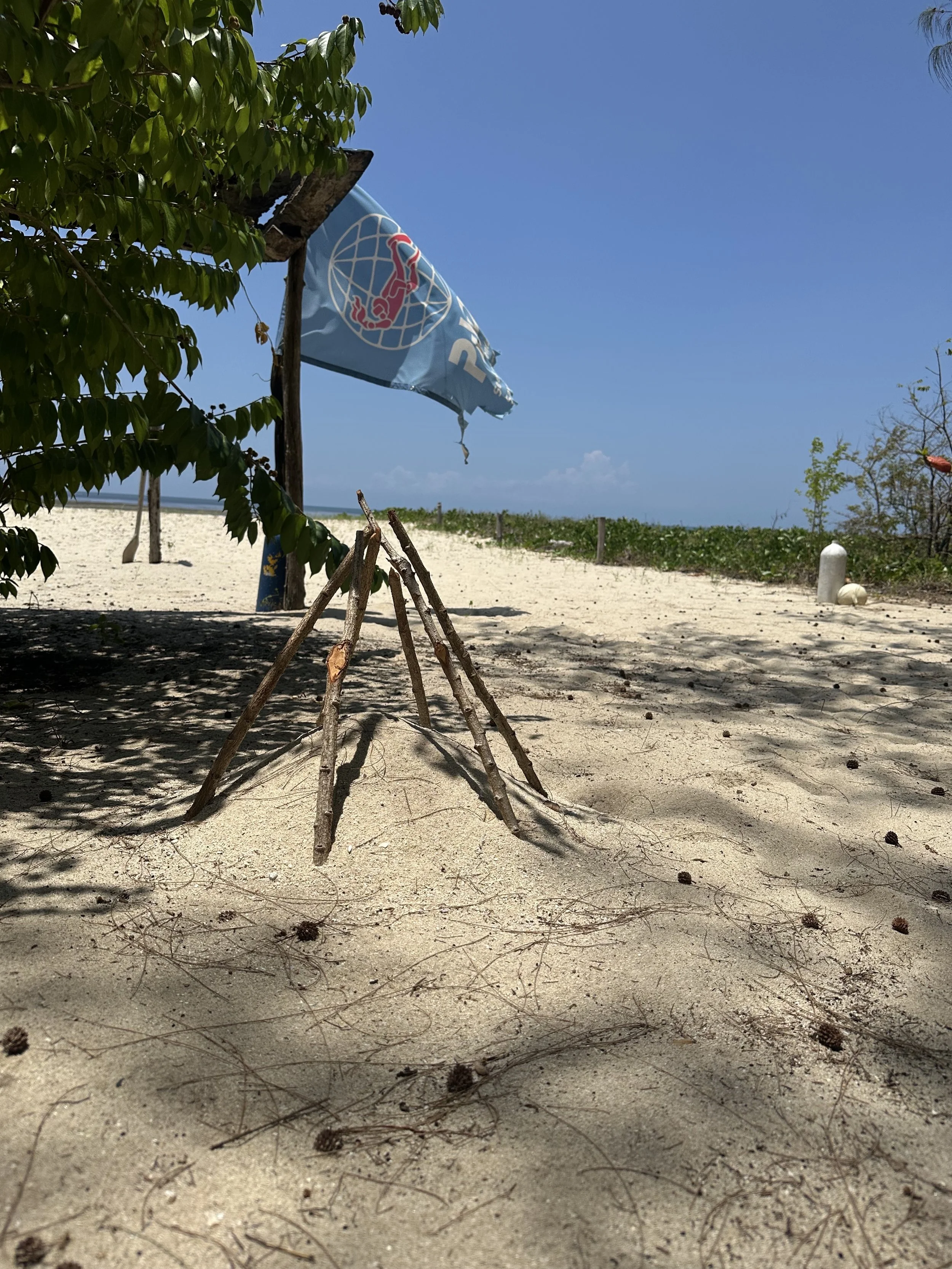
Turtle nests are safely relocated from Maziwe Island to Ushongo beach, where they can incubate until the eggs hatch.
As you can see, the work we support is never quite the same, but it is always rooted in the same vision: using the Dorobo Fund to protect cultures, livelihoods, and ecosystems that hold meaning far beyond their borders.
With gratitude,
Daudi, Mike and Thad and The Dorobo Fund Team